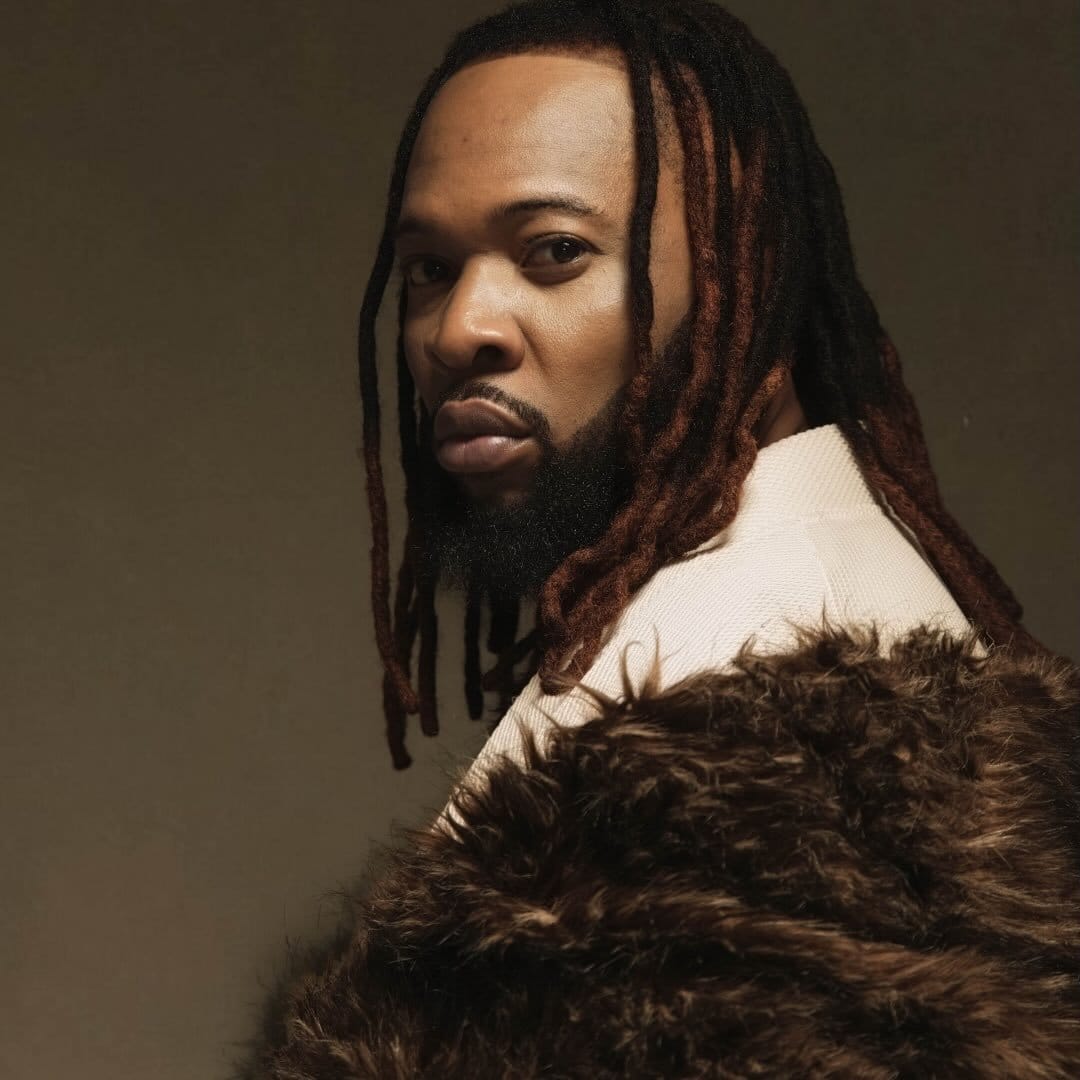
Mr Flavour, also called Flavour N’abania, is one of Africa’s top highlife musicians. He blends traditional sounds, modern production, and soulful vocals. His classics still rule parties, weddings, and playlists in Africa and beyond. Here’s a curated list of his Top 10 all-time favourite songs. These choices reflect their impact, popularity, streaming success, and cultural influence.
1. Nwa Baby (Ashawo Remix)
A global anthem and arguably Flavour’s signature hit. This track shot him to continental fame and is still one of Africa’s top party classics.

“Nwa Baby (Ashawo Remix)” is a 2011 song that blends afrobeat and highlife. It’s by Nigerian singer Flavour N’abania. A fresh take on his earlier single “Nwa Baby,” it became a major hit in Africa and beyond. It highlights Flavour’s mix of traditional Igbo rhythms and modern pop sounds.
Key facts
- Artist: Flavour N’abania
- Release year: 2011
- Album: Uplifted
- Genre: Afrobeat / Highlife
- Language: Igbo and Nigerian Pidgin English
Background
The “Ashawo Remix” revamps Flavour’s 2005 hit “Nwa Baby.” It adds a richer afrobeat sound and a modern dance tempo. Released on his second album, *Uplifted*, this track marked his big break. It introduced a pan-African audience to his unique highlife-pop sound.
Composition and themes
The song features rhythmic percussion, bright guitar lines, and call-and-response vocals. These elements are typical of southeastern Nigerian highlife. The lyrics humorously tell the story of a man’s crush on a flirty woman. “Ashawo” is Nigerian slang for “playgirl” or “sex worker.” The song uses playful storytelling and catchy repetition.
Cultural impact
“Nwa Baby (Ashawo Remix)” became one of West Africa’s most recognisable club anthems of the early 2010s. Its music video, set in lively urban scenes, reinforced Flavour’s image as a charismatic performer. The track boosted Igbo highlife’s role in modern afrobeat and solidified Flavour’s place as one of Nigeria’s leading crossover artists.
Legacy
The song is a key part of African party playlists and live shows. It affects younger afrobeat artists. They mix traditional rhythms with pop and dancehall sounds. It still shows Flavour’s artistic style and the lasting charm of modern highlife.
2. Ada Ada
A beautifully crafted highlife love song celebrated especially at weddings. Its cultural visuals and timeless melody have made it a staple across Africa.
RELATED: Harmonize Unveils Konde Talent Search 2025 – The Ultimate Gateway to Stardom!
“Ada Ada” is a 2013 Nigerian highlife love song by singer Flavour N’abania. This track is famous for its lively sound and wedding story. It became one of Flavour’s biggest hits. It blends modern rhythms with traditional Igbo highlife sounds.
Key facts
- Artist: Flavour N’abania
- Album: Blessed (2012)
- Release year: 2013 (as a single)
- Genre: Highlife, Afro-pop
- Language: Igbo and English
Composition and style
The song mixes rhythmic guitar, horn sections, and layered percussion. These are key features of classic highlife. Its lyrics praise a bride, “Ada Ada,” symbolising beauty, respect, and cultural pride. The track has a call-and-response style and a smooth tempo. This creates a joyful vibe, much like a traditional Igbo wedding.
Music video
The music video, directed by Clarence Peters, portrays a lavish traditional marriage ceremony, complete with dance sequences and colorful attire. It highlights Igbo cultural aesthetics—kola nut rituals, masquerade motifs, and choreographed celebrations—reinforcing the song’s theme of love and heritage.
Reception and impact
Upon release, “Ada Ada” received widespread acclaim across West Africa for reviving and globalizing highlife music. It earned multiple nominations at the Nigeria Music Video Awards and solidified Flavour’s reputation as a leading figure in modern African highlife. The song remains a staple at weddings and cultural events across Nigeria and the diaspora.
Cultural significance
“Ada Ada” bridges contemporary pop with traditional Igbo storytelling, reflecting a broader trend of Afrocentric revival in mainstream music during the 2010s. Its enduring popularity illustrates how local languages and customs can resonate across global audiences through rhythm and celebration.
3. Golibe
A romantic masterpiece with heartfelt storytelling. It is among his most streamed songs and a favourite for lovers.
“Golibe” is a romantic highlife song by Nigerian singer Flavour N’abania, released in 2018. Sung primarily in Igbo with touches of English, it celebrates love, marriage, and cultural pride through melodic instrumentation and storytelling rooted in southeastern Nigerian traditions.
Key facts
- Artist: Flavour N’abania (Chinedu Okoli)
- Release year: 2018
- Genre: Igbo highlife, love song
- Language: Igbo and English
- Album: Awele (EP)
Musical style and composition
“Golibe” exemplifies contemporary Igbo highlife, blending traditional rhythms, percussive basslines, and acoustic guitars with modern studio production. The song’s gentle tempo and call-and-response backing vocals evoke the ambiance of a joyful traditional wedding. Flavour’s soulful vocal delivery and use of melodic progressions typical of southeastern Nigerian folk music enhance its romantic tone.
Lyrical theme and cultural significance
The lyrics of “Golibe” tell a story of admiration and love for a beautiful woman, invoking imagery from Igbo culture and courtship customs. The title, roughly meaning “Rejoice” in Igbo, conveys happiness and blessing in union. The song’s message reinforces respect for family, commitment, and the celebration of love within community life.
Reception and impact
Upon release, “Golibe” received positive acclaim for its warm storytelling and cultural authenticity. The accompanying music video, directed by Tchidi Chikere, features vibrant traditional attire and wedding scenes that visually interpret the lyrics. “Golibe” remains a popular choice at Nigerian weddings and cultural events, cementing Flavour’s status as a leading modern highlife artist.
4. Kwarikwa
A high-energy banger showcasing Flavour’s vocal strength and unique highlife style. It remains a fan favourite in concerts.
“Kwarikwa (Remix)” is a 2012 Afro-highlife collaboration by Nigerian singer Flavour N’abania and Congolese artist Fally Ipupa. The song reimagines Flavour’s earlier hit “Kwarikwa,” blending highlife and soukous rhythms to create a cross-continental sound that celebrates African musical unity and romance.
Key facts
- Artists: Flavour N’abania featuring Fally Ipupa
- Release year: 2012
- Genre: Afro-highlife, soukous fusion
- Language: Primarily Igbo, Lingala, and English
- Label: 2Nite Entertainment
Background
The original “Kwarikwa,” from Flavour’s 2010 album Uplifted, gained popularity across West Africa for its danceable tempo and romantic lyrics. The remix was conceived to expand the song’s reach into Central Africa by featuring Fally Ipupa, whose guitar work and Lingala vocals added a Congolese flair. Its accompanying video reinforced the song’s pan-African appeal.
Musical style and themes
The remix merges Nigeria’s highlife groove—defined by bright guitars and steady percussion—with Congo’s soukous fluidity. Lyrically, it centers on affection and admiration, with each artist expressing love in his own language. The multilingual interplay symbolizes cultural dialogue between regions.
Reception and impact
“Kwarikwa (Remix)” was widely embraced across Africa, becoming a club favorite and frequent fixture on music television networks. It strengthened Flavour’s continental profile and highlighted Fally Ipupa’s versatility in cross-linguistic collaborations. The track is often cited as a milestone in early-2010s African pop crossovers.
Legacy
The success of “Kwarikwa (Remix)” influenced later Afro-fusion collaborations bridging linguistic and regional divides in African music. It remains one of Flavour’s signature songs, illustrating how traditional highlife evolved into a modern, pan-African pop form.
5. Sexy Rosey
Smooth, melodic and catchy — this song highlights his versatility in Afro-love and R&B-infused sounds.
“Sexy Rosey” is an Afrobeat-influenced love song best known in two versions: one by Flavour (often featuring P-Square) and a later single by Romy So love categorized as Afro-Beat. Both versions blend romantic lyrics with upbeat, dance-floor-ready production.
Key facts
- Primary style: Contemporary Afrobeat / Afropop love song
- Notable artists: Flavour (feat. P-Square); Romy So love
- Themes: Romantic admiration, sensual attraction, celebratory mood
- Typical tempo: Mid- to uptempo, suited for clubs and dance playlists
Background and releases
The better-known “Sexy Rosey” recording is by Nigerian highlife and Afropop singer Flavour, with versions and performances featuring duo P-Square. It appears in his mid-2010s Afropop catalog and is accompanied by a beach-party-themed music video emphasizing dance and summer visuals.
A separate single titled “Sexy Rosey” was later released by Romy So love, described on platforms like Shazam and Apple Music as Afro-Beat and also focused on romantic desire; a remix version followed in 2021–2022.
Musical and lyrical style
Musically, “Sexy Rosey” uses bright, syncopated Afrobeat drums, melodic synths and catchy call-and-response hooks typical of Afropop club records. The lyrics revolve around praising a lover’s beauty and charm (“Sexy Rosey” functioning as a pet name), with a flirty, feel-good tone rather than a narrative storyline. This makes it popular for parties, DJ sets and romantic dance playlists across Afrobeat-oriented
6. Most High
A powerful inspirational track that showcases Flavour’s spiritual depth and connection to gospel-highlife elements.
“Most High” is a contemporary gospel collaboration by Nigerian highlife star Flavour and Liberian singer Semah G. Weifur. Released in 2017 as the closing track on Flavour’s album Ijele the Traveler, it blends worship lyrics with soft rock and Afro-gospel elements, and is widely known across African gospel circles as a deeply emotional praise song. Wikipedia+1
Key facts
- Artists: Flavour featuring Semah G. Weifur TrendyBeatz+1
- Release year: 2017 Wikipedia
- Album: Ijele the Traveler (final track) Wikipedia
- Genre: Gospel / worship, with Afro-highlife and soft rock influence Wikipedia+1
- Language: Primarily English, with simple, repetitive worship lines sifalyrics
Background and collaboration
The song emerged from a remarkable human-interest story: Semah, a visually impaired Liberian boy and devoted fan of Flavour, dreamed of singing with him. Flavour met him in Monrovia, later adopting him and bringing him into the studio to record “Most High.” The track became their signature collaboration and a centerpiece of Flavour’s gospel-leaning work.
Musical style and lyrics
“Most High” is structured as a worship ballad built on gentle instrumentation and choir-like backing. The lyrics revolve around adoration of God with lines such as “Lord, you are the Most High, hallowed be Thy name,” repeated to create a congregational, easily singable feel. The simplicity of the words, combined with Semah’s emotive vocals and Flavour’s harmonies, gives the song a church-anthem quality. PraiseVibes+1
Reception and impact
Within African gospel and inspirational music circles, “Most High” is often described as a “powerful worship tune,” noted for its moving backstory and the sincerity of Semah’s performance. The official video, directed by Adasa Cookey, visually centers the bond between Flavour and Semah, further cementing the song as both a worship piece and a testimony of compassion and inclusion.
7. Chimamanda
Another uplifting praise song that resonates strongly across church events, celebrations and traditional gatherings.
“Chimamanda” is a praise-style highlife/gospel fusion song by Nigerian singer Flavour (N’abania). It appears on his 2017 studio album Ijele – The Traveler and has become popular in worship-style playlists because of its strong gospel tone, thanksgiving lyrics, and congregational feel. Wikipedia+1
Key facts
- Artist: Flavour (Chinedu Okoli) Flavour (N’abania)
- Album: Ijele – The Traveler (2017) Wikipedia
- Genre: Highlife / Afro-gospel praise
- Language: Primarily Igbo, with English phrases
- Theme: Thanksgiving and worship directed to God
Background and style
On Ijele – The Traveler, “Chimamanda” is one of the tracks where Flavour leans explicitly into gospel, adapting choral, call-and-response structures into his trademark highlife sound. Critics describe it as a praise song that blends Igbo traditional elements, live-band instrumentation, and modern Afropop polish, giving it both church and concert appeal. Wikipedia+1
Lyrical theme and worship feel
The title “Chimamanda” roughly conveys “My God will not fail” or “My God will not fall,” reinforcing its worship orientation. The lyrics revolve around gratitude, testifying to God’s goodness, and public praise. This makes the track fit naturally into “praise and worship” or “praise medley” contexts, even though it is a studio highlife record rather than a traditional church hymn. It’s often grouped in online praise/worship playlists alongside more conventional gospel songs.
Reception and usage
While not always singled out as the album’s biggest commercial single, “Chimamanda” is frequently highlighted by fans for its spiritual mood and sing-along chorus. The official video, shot in Enugu, visually leans into a performance/worship atmosphere, helping cement the song’s reputation as a crossover between secular highlife and contemporary praise music
8. Ololufe
A timeless love duet full of emotion. Its simplicity and melodic purity make it one of Flavour’s most celebrated ballads.
“Ololufe” is a romantic highlife/R&B song by Nigerian singer Flavour (musician) featuring vocalist Chidinma. It appears on Flavour’s fourth studio album Thankful (2014) and has become one of his most enduring love classics, often cited as a staple modern Nigerian wedding and Valentine’s playlist track.
Key facts
- Primary artist: Flavour (Chinedu Okoli) Flavour (musician)
- Featured artist: Chidinma Ekile Chidinma
- Album: Thankful (track, love ballad) Thankful
- Release period: Album 2014; single/video pushed in 2015
- Language mix: Yoruba and Igbo lyrics in a mellow love ballad
Background and composition
“Ololufe” sits in the softer, romantic half of Thankful, contrasting with the album’s more dance-oriented highlife tracks. The production leans on gentle highlife guitars, warm keys, and mid-tempo percussion, while Flavour and Chidinma alternate and harmonize in Yoruba and Igbo, addressing a beloved “Ololufe” (“my lover”). Critics frequently highlight the song for its tender delivery and classic, evergreen feel within contemporary highlife.
Release, video, and reception
Though the album dropped in November 2014, “Ololufe” was promoted as a single with an official video released in February 2015, directed by Godfather Productions and shot in Cape Town. The visual, which includes an intimate kiss between Flavour and Chidinma, sparked widespread speculation about a real-life romance, helping cement the track’s cultural status as a “Flavour love classic.” Chidinma later publicly denied the dating rumors, but the song remains one of their most requested collaborations.
9. Obianuju
This emotional highlife classic has remained relevant for years and proved Flavour’s unmatched storytelling ability.
“Obianuju” is a Nigerian highlife love song by Flavour N’abania that blends traditional West African rhythms with contemporary production. It’s a signature track in his catalog, known for its lush instrumentation, melodic guitar lines, and deeply romantic lyrics sung primarily in Igbo and Nigerian Pidgin.
Key facts
- Artist: Flavour N’abania
- Genre: Emotional highlife / contemporary highlife
- Language: Primarily Igbo with Nigerian Pidgin English
- Theme: Intense romantic love and devotion to a woman named Obianuju
- Notable for: Emotional delivery, memorable guitar lines, wedding/romantic playlists
Background and context
“Obianuju” sits in the emotional highlife lane that Flavour N’abania is widely associated with, alongside songs like “Ada Ada” and “Nwa Baby (Ashawo Remix).” It showcases the evolution of Igbo highlife into a smoother, more pop-leaning style that still retains traditional percussion, call-and-response patterns, and melodic sensibilities. The song helped cement Flavour’s reputation as a master of romantic highlife ballads in the 2010s.
Musical style and production
The track is built on mid-tempo highlife rhythms, bright palm-wine-style guitar riffs, and warm basslines. Layered backing vocals give it a choral, almost live-band feel. The arrangement leaves space for Flavour’s voice to carry the emotion—he moves between soft, pleading verses and fuller, soaring lines in the chorus. The production balances modern clarity with the organic warmth of live instruments, which is a hallmark of contemporary Nigerian highlife.
Lyrics and themes
Lyrically, “Obianuju” is a heartfelt declaration of love to a woman whose presence brings peace and joy. The lyrics revolve around promises of care, loyalty, and emotional vulnerability. By mixing Igbo with Pidgin, the song feels both intimate and broadly accessible across Nigeria and the wider African audience. The emotional tone—yearning, tender, and slightly melancholic—is what makes it fit squarely under “emotional highlife.”
10. Baby Na Yoka
A dancefloor favourite with strong instrumentals and irresistible vibes. It’s a feel-good track that still rocks parties today.
“Baby Na Yoka” is a highlife-meets-reggaeton dance track by Nigerian singer Flavour. Released in 2017 on his fifth studio album Ijele the Traveler, it’s a flirty, club-ready record that celebrates a confident, glamorous woman and is built for the dance floor. TrendyBeatz+1
Key facts
- Artist: Flavour (Flavour N’abania) TrendyBeatz+1
- Release year: 2017 TrendyBeatz+1
- Album: Ijele the Traveler TrendyBeatz+1
- Producers / writers: Masterkraft; written by Chinedu Okoli & Sunday Ginikachukwu Nweke shazam.com+1
Length: ~3 minutes 35 seconds MP3.pm+1
Background and style
The song appears on Ijele the Traveler, a project that blends Igbo highlife with Afropop, reggae, and other global styles. “Baby Na Yoka” specifically fuses highlife rhythms with reggaeton bounce, giving it a Caribbean-club feel while still sounding distinctly Eastern Nigerian. Wikipedia+1
Lyrics and themes
Lyrically, the track is an ode to a striking woman whose presence “causes kasala” (disruption) wherever she goes. Flavour switches between English, Nigerian Pidgin, and Igbo, dropping playful lines about designer fashion, international cities, and her irresistible dance moves. The recurring “Baby na yoka” hook and call-and-response chants are designed to be shouted along in clubs and parties. shazam.com
Production and dance feel
Produced by Masterkraft, the beat leans on syncopated drums, subtle reggaeton-style dembow, and bright melodic riffs that make it a quintessential “flavour dance track.” The groove leaves plenty of space for waist-winding dance steps, which helped the song’s popularity on dance floors and in DJ sets across Afropop scenes. TrendyBeatz+1
Visuals and reception
The official music video, directed by Patrick Elis, was released in June 2017 and features colorful choreography, stylish outfits, and party scenes that highlight the song’s dancehall energy. It’s frequently included in playlists and DJ rotations featuring Flavour’s upbeat, club-oriented records. soundcity.tv+1
Mr Flavour’s contribution to highlife and Afro-fusion continues to inspire a new generation of African artists. His catalogue remains rich with evergreen hits that effortlessly combine culture, rhythm, and soul. Whether you are discovering his music for the first time or revisiting the classics, these songs represent the best of Flavour’s artistry.
Explore More songs from Diamond Platnumz:
- Diamond Platnumz – Mbagala
- Diamond Platnumz – Binadam
- Diamond Platnumz Ft Hawa – Nitarejea
- Diamond Platnumz – Nenda Kamwambie
- Diamond Platnumz Ft Chidi Benz – Nalia Na Mengi